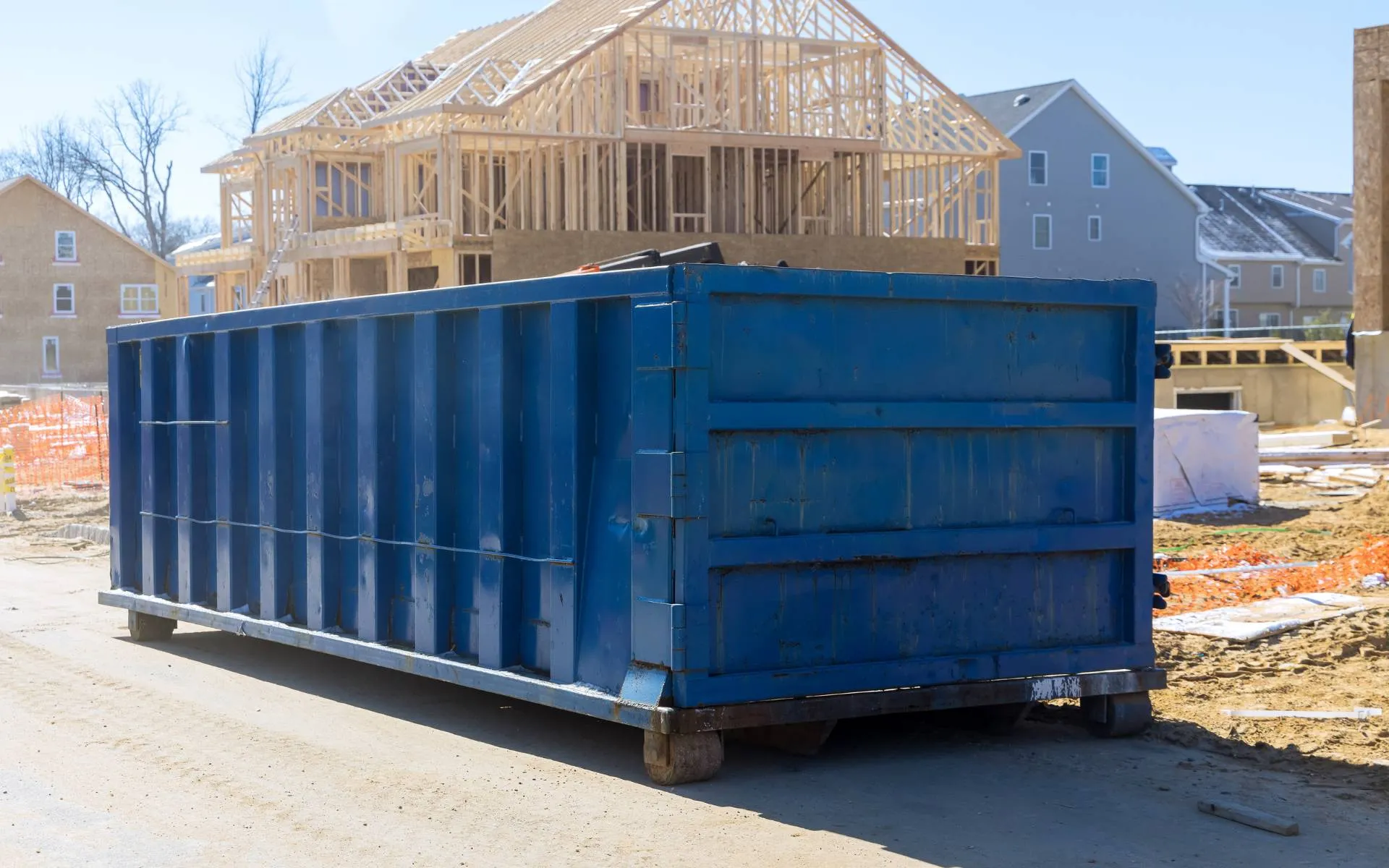
Maximizing Recycling With Your Dumpster Rental
With growing concerns around waste management and environmental impact from landfill overflow, effectively utilizing recycling dumpster rentals has become a crucial consideration for businesses and homeowners. Renting a dumpster provides a cost-effective, scalable solution to streamline waste disposal operations for all manner of projects while promoting sustainability.
This comprehensive guide covers key strategies and best practices to help you maximize recycling and proper utilization of your dumpster rental. By following these proper waste disposal protocols, you can:
- Optimize waste sorting and segregation
- Ensure OSHA safety compliance
- Reduce contamination risk
- Schedule timely waste pickups
- Divert recyclables from landfills
- Slash project waste management expenses
We will explore core topics like:
- Choosing the right dumpster size
- Implementing recycling procedures
- Safely handling hazardous materials
- Reusing and repurposing debris
- Waste regulations across states
Implementing these dumpster rental best practices drives measurable benefits for your bottom line, operations, and environmental footprint.
Sizing Up Your Waste Situation
When it comes to dumpster rentals, the size you choose makes all the difference. Getting the wrong dumpster is like showing up to a party wearing flip flops when everyone else has on heels - awkward!
To pick the perfect dumpster for your project, you'll need to become a waste management pro in your own right. We're breaking this process down into a simple 3-step recipe:
Evaluate The Scale
- What's the scope of your project? Are you clearing out granny's attic or gutting an office complex?
- How long will you need the dumpster on site - a couple weekends or a few months?
- What's your timeline? Do you need to blitz through debris ASAP?
Mapping out these factors gives you clarity on the rental duration and capacity you'll require.
Estimate Waste Volume + Type
Now that you know the project scale, you can forecast waste:
- Take measurements of the space that will be cleared out
- Make an itemized list of the junk, debris, etc that will be tossed
- Categorize each waste type - construction refuse, household items, hazardous materials, etc
Crunch The Numbers
Finally, run the math on expected waste in cubic yards. Allow for overflow, because no one likes dumpster tetris! Compare your tally with dumpster sizes available in your area. And voila, you've got yourself an optimally sized dumpster rental!
With the perfect size secured, you're primed for a smooth waste disposal experience. It's time to get cleaned
Level Up Your Sorting Skills
Now comes everyone's favorite part - sorting through that giant pile of waste and separating it out perfectly! I know, I know, it sounds less fun than a root canal. But implementing strategic sorting and waste segregation makes the entire waste disposal process safer, eco-friendlier, and more affordable.
Here are pro tips for waste wizardry:
Get Organized
👉 Clearly label different bins or dumpster areas for each waste type - paper/cardboard, plastics, glass, metals, hazardous materials, etc. Color coding helps!
👉 Have protective equipment on hand for materials like broken glass or chemical residues
👉 Designate recycling collection points if possible
Educate Your Squad
👉 Hold a quick info session to teach your crew proper sorting protocols
👉 Put up signs reminding workers what goes in each dumpster area
👉 Lead by example - show don't tell!
Make It A Game
👉 Upbeat music makes everything better
👉 Friendly contests motivate folks to collect more recyclables
👉 Reward good sorting habits with donuts, gift cards, etc!
Pro Tip: check local waste regulations about mixing waste types in dumpsters. Some states prohibit combining certain materials.
And remember - when in doubt, leave it out! Unsure if an item is recyclable or hazardous? Don't toss it in. Protect your rental dumpster, the haulers, and the environment by disposing questionable materials separately.
Dumpster Logistics - Dos and Don'ts
Alright, the sorting is handled. Now let's chat dumpster rental logistics to keep operations running smoothly. We'll cover crucial considerations around safety, contamination prevention, pickups, and getting creative with waste reuse.
Map Out Dumpster Placement
When selecting the sacred dumpster zone, keep these tips in mind:
👉 Central area accessible to the whole site
👉 Flat, sturdy ground for stability
👉 Visible enough to prevent collisions
👉 Buffer distance from structures for fire safety
Pro Tip: Drape a tarp underneath to catch fallen debris and simplify cleanup.
Prevent Close Calls and Contamination
Safety first! Ensure everyone on site is trained on proper dumpster protocols:
👉 Use stepladders instead of leaning over edges
👉 No children or pets playing around the dumpster
👉 Wear gloves when handling waste
👉 Don't toss in hot ashes, ignitable objects, or hazardous chemicals
Schedule Pickups Strategically
The last thing you want is overflowing waste piles from a skipped pickup! Coordinate with your dumpster rental provider like DDD Dumpster Rental O'Fallon to:
👉 Estimate target fill rates based on project stage
👉 Book 1-2 well-timed pickups in advance
👉 Request delivery of a second dumpster if needed
Creative Reuse Opportunities
Before mindlessly tossing debris, explore ways to extend its life cycle. Repurposing materials gives them a fresh new purpose while saving the environment.
👉 Old wood, scrap metals etc. could have art/craft potential
👉 Gently used furniture may find a new home via donations
👉 Even organic waste like yard trimmings can nourish compost
With smart operational decisions, your dumpster experience will be smooth sailing.
Recycling 101
By now we've covered the dumpster rental logistics from start to finish. But how can you maximize recycling and proper disposal specifically? Let's explore some key pointers:
Leverage Local Recycling Options
Many areas offer free recycling for certain materials like:
- Electronics - Drop off old devices at dedicated e-waste facilities
- Scrap Metal - Steel, aluminum and metal fragments often have recycling value
- Yard Waste - Some cities provide composting services for organic debris
Bonus points if you can sell recyclable goods and make some moolah!
Research Proper Disposal
While most household waste can go directly into dumpsters, some items require special handling:
- Hazardous chemicals - Designated disposal days, retail take-back programs
- Mattresses and furniture - Donation centers, reuse stores
- Tires, paint, motor oil - Community drop-off locations
Getting educated on these disposal particulars prevents contamination and violations.
Avoid Banned Materials
Finally, ensure you aren't tossing materials prohibited by waste facilities in your area, like:
- Concrete/brick/stone - Can often exceed dump truck weight limits
- Vehicle parts or engines - Contain oils and combustion residuals
- Commercial refrigerators - Require Freon drainage
Consult local ordinances so you don't get slapped with major fines. Knowledge is power when it comes to compliant, eco-friendly dumping.
Making Bank from Your Junk
"One person's trash is another's treasure" isn't just a saying - it can put cold hard cash in your pocket! Let's explore potential economic incentives around proper dumping:
Score Rebates and Refunds
Many municipalities offer cash back for recycling efforts like:
- Refunds per pound of hazardous household waste disposed of correctly
- Rebates when you provide receipts from recycling center drop-offs
- Discounts on dumpster rental fees when you meet recycling targets
Profit from Scrap
Before tossing goods, consider their resale potential! Prime candidates include:
- Metal from appliances, vehicles, wiring
- Old wood furnishing in good condition
- Vintage items in high demand with collectors
With minimal effort, you can offset dumpster rental costs by leveraging scrap recycling programs and online resale markets for used goods.
Reduce Long Term Expenses
Most importantly, coherent recycling and waste diversion programs drastically cut operational overhead for organizations over time. Investing time into reuse, recycling, and disposal compliance pays sustainable dividends.
Now get out there, sort that junk, and let the savings roll in.
Got Questions? We've Got Answers!
We get it - dumpster rentals come with a lot of head scratching. Let's tackle some of the most common pain points:
How large of a dumpster do I actually need?
There's no one size fits all, unfortunately! General guidance:
🔸️ 10-15 yard dumpster - Smallest residential projects
🔸️ 15-30 yard - Medium residential like basement/attic cleanouts
🔸️ 20+ yard - Full home renovations or office build outs
When in doubt, overestimate! Multiple rentals will cost much less than overflow fines.
With mixed construction debris, how meticulous should my sorting be?
It’s fine if waste like drywall, wood, metals, etc get mingled during a home reno. Just separate:
🔸️ Hazardous chemicals
🔸️ Appliances/mattresses with recycling mandates
🔸️ Valuable scrap materials
🔸️ Dirt/concrete if required locally
No need to fanatically divide every granular item.
Can I get in trouble if someone contaminates my rental dumpster?
Unfortunately yes - the renter always shoulders responsibility for dumpster contents and damages. Safeguard against contamination by:
🔸️ Positioning it in a monitored area
🔸️ Locking lids overnight
🔸️ Clearly labeling restrictions
What if my project changes and I need longer rental or pickup delays?
No sweat! Open communication is key. Call your provider ASAP about:
🔸️ Extending rental period
🔸️ Rescheduling pickups
🔸️ Upgrading dumpster size
They’ll happily make adjustments to keep your cleanup chugging along.
See, using a dumpster rental isn’t rocket science. With the basics down you’ll be a pro in no time.
Let's Recap!
Phew, that was a packed crash course on dumpster rental best practices!
Here are the core tips to walk away with:
👉 Choose the optimal size based on expected waste volumes
👉 Implement waste sorting and recycling procedures
👉 Follow local waste regulations for disposal
👉 Schedule timely pickups to prevent overflow
👉 Safely handle hazardous debris
👉 Research options to reuse materials creatively
By sticking to these pointers for your next dumpster rental, you'll boost efficiency, environmental friendliness, safety, and cost-savings!
It may seem daunting at first, but strategic dumpster usage streamlines major clear outs. Now you can tackle any home reno or office overhaul like a pro!
So go grab your work gloves, cue the motivating montage music, and start maximizing those dumpster rentals as cleverly and sustainably as possible.
The Final Verdict
Implementing best practices for dumpster rental usage pays dividends across operational, cost, and sustainability metrics. By following the recommendations around:
- Waste sorting protocols
- Strategic dumpster size selection
- Recycling and repurposing opportunities
- Safe handling procedures
- Proactive waste pickup scheduling
You can streamline waste management for construction sites, events, renovations and more. An optimized dumpster rental plan is the golden ticket to efficient, eco-friendly waste disposal at scale!
So don't leave savings on the table - leverage these pointers to maximize recycling and keep your next project lean, green, and junk-free.
DDD Dumpster Rental O'Fallon
| Monday | 6:00AM – 10:00PM |
| Tuesday | 6:00AM – 10:00PM |
| Wednesday | 6:00AM – 10:00PM |
| Thursday | 6:00AM – 10:00PM |
| Friday | 6:00AM – 10:00PM |
| Saturday | 6:00AM – 10:00PM |
| Sunday | 6:00AM – 10:00PM |



No comments:
Post a Comment